When a renter returns your car with unreported damage, extra mileage, or a charge they later dispute, one thing determines whether you recover: the quality of your documentation before and after the trip. Everything else — the claims process, the platform's decision — hinges on what you captured and when. This article lays out exactly what to document, how the dispute process works, and why claims get denied, so your Turo host chargeback protection is built on evidence rather than hope.
This assumes you know the platform basics and want the specific procedures for protecting yourself post-trip. One note throughout: claim windows and documentation requirements change, so verify the current specifics against Turo's host terms rather than treating anything here as permanently fixed.
What to Document Before Every Trip Starts
Your pre-trip record is the baseline every post-trip claim is measured against. Without a clear "before" state, you can't prove a renter caused anything — and timing is what makes that record credible.
Capture, immediately before handoff:
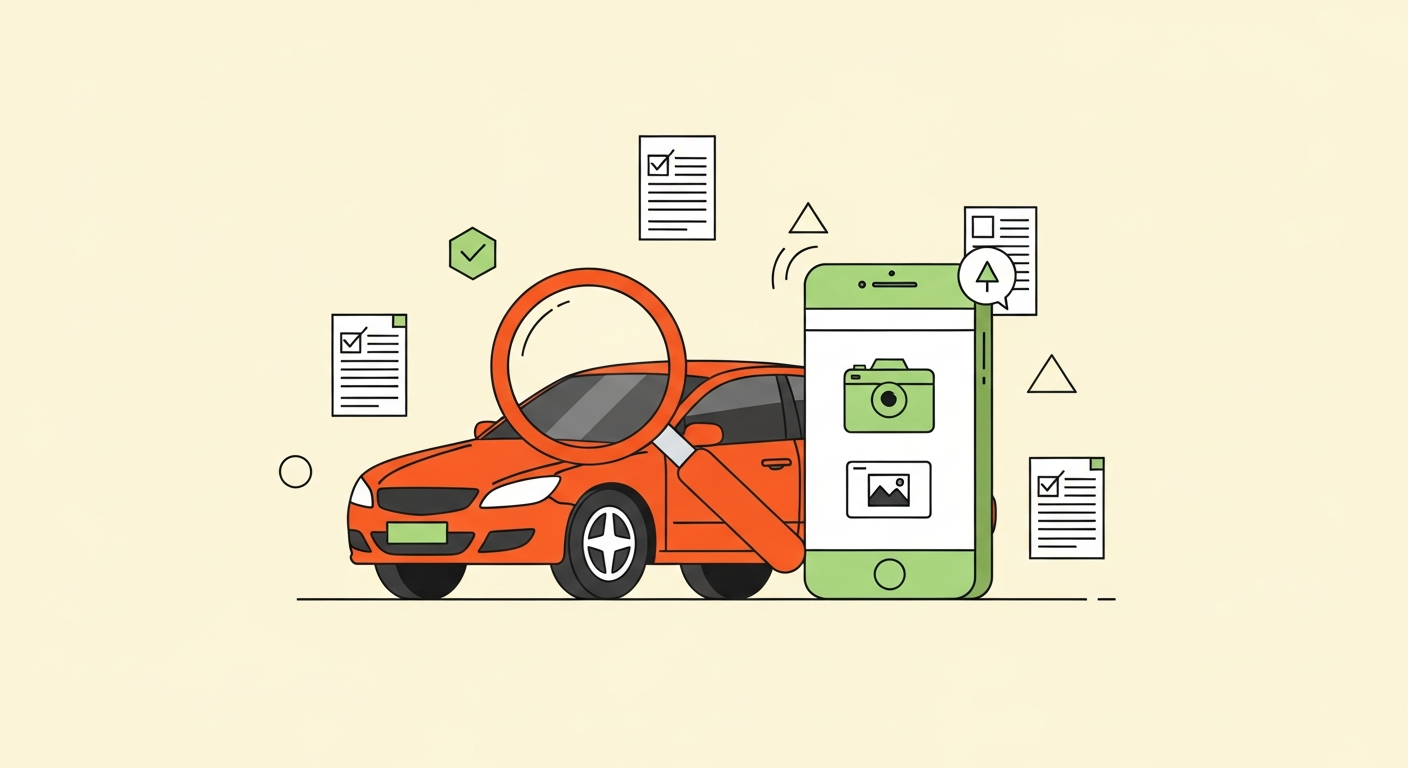
Photos and video of the full vehicle condition. Every exterior panel, wheels, windshield, and the interior. Video walkarounds are strong because they're continuous and harder to dispute than isolated stills. Shoot in good light and get close enough that existing marks (or their absence) are unmistakable.
Timestamped evidence. The single most important detail. A photo with no verifiable date is weak evidence; one clearly timestamped close to trip start is strong. Ensure your device records timestamps, and capture the images as close to handoff as possible, not the day before.
Mileage reading. Photograph the odometer at handoff. Unauthorized extra mileage disputes are unwinnable without a clear starting number.
Fuel level. Photograph the fuel gauge, since fuel-level disagreements are common and trivially avoided with a timestamped shot.
Why timing matters so much: a photo taken the morning before a mid-day handoff leaves a window a renter can argue damage occurred in. Capturing right at handoff closes that gap. A dash cam adds another timestamped layer for in-trip incidents, and a dedicated vehicle-condition documentation app can organize timestamped photos per trip more reliably than a camera roll — worth it once you're running enough trips that organization itself becomes a problem.
What to Document Immediately After a Trip Ends
The post-trip record has to mirror the pre-trip one exactly, and speed is critical because of the claim window — the limited period after a trip during which you remain eligible to report an issue and file a claim.
Immediately on return:
Repeat the full photo/video walkaround in the same sequence as pre-trip, so any new damage is directly comparable against the before state.
Photograph the odometer and fuel gauge again for mileage and fuel comparisons.
Inspect thoroughly and promptly. Damage you miss on return is damage that gets harder to attribute the longer you wait. Inspect before the car goes back out or into cleaning.
Report any issue fast. Claim windows are finite, and reporting late is one of the most common reasons a valid claim is denied. The moment you find something, start the process — don't wait until it's convenient. Verify the current window length against Turo's terms, since it can change.
Fast, thorough post-trip inspection also feeds good Turo vehicle turnover optimization — catching issues before the next rental prevents a new renter's dispute from tangling with the previous one, which is a documentation nightmare.
The Pre-Trip and Post-Trip Documentation Checklist
Follow this literally on your next trip.
Before handoff:
1. Full exterior video walkaround in good light. 2. Close-up photos of any existing damage or wear. 3. Interior photos (seats, dash, cargo area). 4. Timestamped odometer photo. 5. Timestamped fuel gauge photo. 6. Confirm all images carry a verifiable timestamp.
After return:
1. Repeat exterior video walkaround, same sequence. 2. Close-up photos of any new damage. 3. Interior photos for comparison. 4. Timestamped odometer photo. 5. Timestamped fuel gauge photo. 6. Inspect thoroughly before the car moves on. 7. Report any issue immediately, within the current claim window.
Building this into a repeatable routine — ideally part of your Turo host onboarding checklist for every vehicle and every trip — is what turns documentation from an afterthought into reliable protection.
How the Claims and Dispute Process Typically Works
While specifics change and should be confirmed against current terms, the process generally follows this shape:
1. Report the issue within the claim window. Initiate through the platform, not by contacting the renter informally. Everything should run through Turo's process for a record.
2. Submit your documentation. This is where the pre/post comparison does the work — matched before-and-after evidence with clear timestamps is the strongest case you can present.
3. The platform reviews. Turo assesses the evidence from both sides against its terms and your host protection tier — the level of protection tied to how you've set up coverage, which affects what's covered and any deductible.
4. A determination is made. Outcomes depend heavily on documentation quality. Strong, timestamped, matched evidence wins far more often than a vague report.
5. Resolution or escalation. If resolved in your favor, compensation follows the platform's process. If denied, there may be avenues to provide additional evidence — which only helps if you captured it at the time.
The through-line: the process rewards preparation done before you ever knew there'd be a dispute. For how this interacts with broader coverage and deductibles, Turo fleet insurance for hosts covers the insurance layer that sits alongside platform claims.
What Commonly Causes a Dispute to Be Denied
Learning why claims fail is the fastest way to make sure yours doesn't.
Insufficient documentation. The leading cause. No clear before state, so damage can't be attributed to the renter. Vague or partial photos leave room for doubt, and doubt tends to favor the renter.
Reporting too late. Missing the claim window is fatal regardless of how strong your evidence is. A valid claim reported after the window closes is often simply ineligible.
Missing or unverifiable timestamps. Photos that can't be dated don't establish when damage occurred, which is the entire question in most disputes.
Unclear or poorly lit photos. Evidence a reviewer can't interpret clearly is weak evidence. Blurry, dark, or distant shots undermine an otherwise valid claim.
Informal handling. Settling or arguing with a renter outside the platform leaves no official record, weakening any claim you later escalate.
Every one of these is preventable with disciplined pre/post documentation — which is why the checklist above is the core of real chargeback protection.
How to Reduce Disputes in the First Place
The best dispute is the one that never happens, and better procedures cut dispute frequency meaningfully.
Standardize your trip-start and trip-end process. A consistent handoff routine (documentation, clear expectations on fuel and mileage) sets renter expectations upfront and reduces honest misunderstandings. A controlled Turo host key exchange system reinforces a clean, documented handoff moment rather than a rushed one where documentation gets skipped.
Keep the car demonstrably well-maintained and clean. A car handed over in clearly good condition, backed by a Turo cleaning turnaround checklist, makes new damage stand out clearly against a known-good baseline — and a documented Turo fleet maintenance schedule helps distinguish renter-caused damage from normal wear.
Set clear expectations in your listing and messaging. Stating mileage limits and fuel/return expectations plainly reduces the disagreements that become disputes.
Use tracking where it helps. For mileage specifically, a GPS solution removes ambiguity — the best GPS tracker for Turo cars can corroborate mileage independently of the odometer photos, closing off one common dispute category entirely.
Frequently Asked Questions
How quickly do I need to report damage to Turo?
Within the applicable claim window, which is finite and can change, so verify the current length against Turo's host terms. The practical rule: report the moment you find an issue rather than waiting, since late reporting is one of the most common reasons valid claims are denied.
What's the most important evidence in a Turo dispute?
Matched, timestamped before-and-after photos or video showing the vehicle's condition at handoff and return. The pre-trip baseline is what lets you prove a renter caused the damage; without it, attribution is nearly impossible.
Can I win a dispute without pre-trip photos?
It's much harder. Without a documented before state, you can't establish that damage wasn't pre-existing, and doubt generally favors the renter. Pre-trip documentation is the foundation the entire claim rests on.
Should I handle a damage issue directly with the renter?
No. Keep everything within Turo's official process so there's a record. Informal settlements leave no documentation and weaken any claim you later need to escalate through the platform.
Do dash cams help with Turo disputes?
They can add a timestamped, continuous record useful for in-trip incidents and establishing condition, complementing your handoff photos. Confirm any recording complies with local laws and Turo's policies, but as an added evidence layer they're often worth it for fleet operators.
The Takeaway
Turo host chargeback protection isn't really about the dispute process — it's about the documentation you capture before and after every single trip, because timestamped, matched before-and-after evidence is what wins claims and its absence is what loses them. Build the pre-trip and post-trip checklist into a non-negotiable routine on every vehicle, report issues immediately within the claim window, and verify the current requirements against Turo's host terms so your protection is evidence-based, not hope-based.