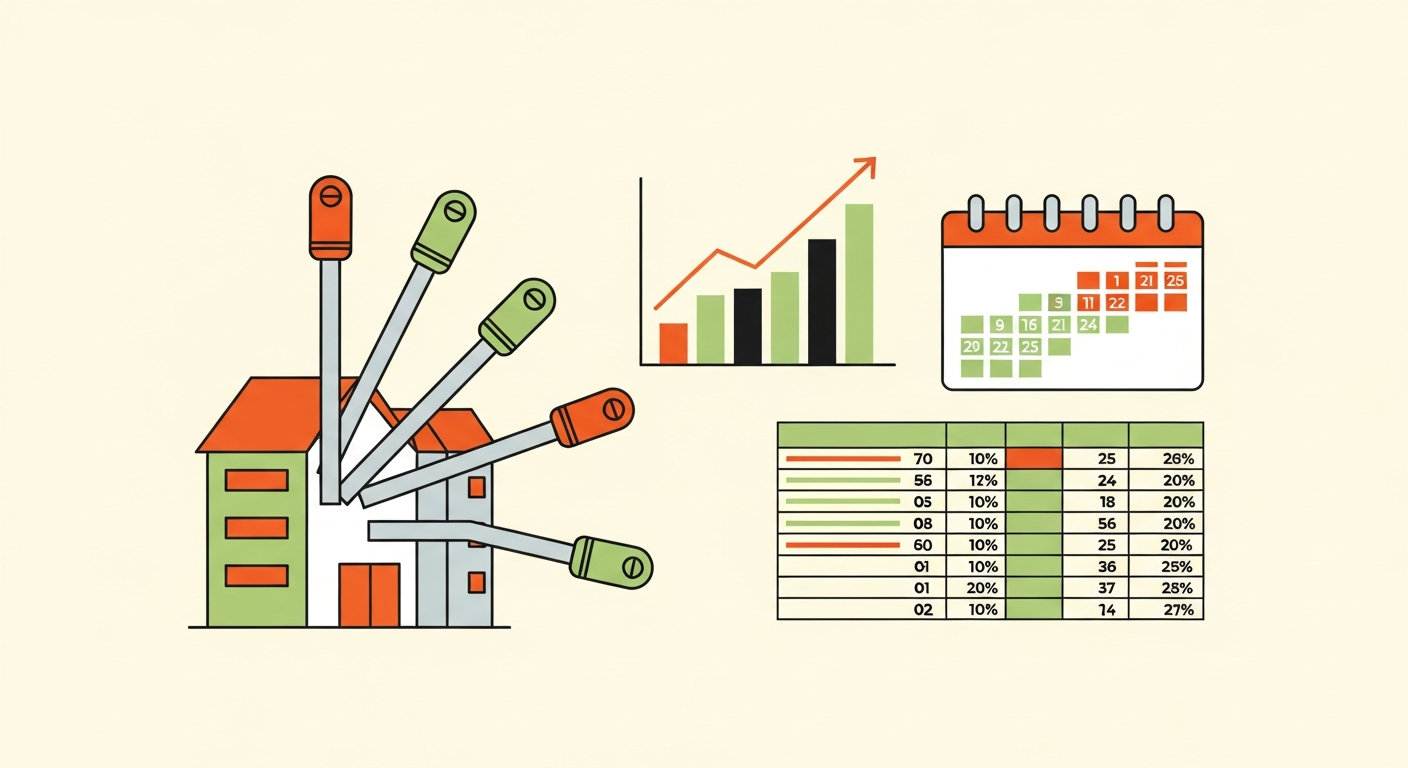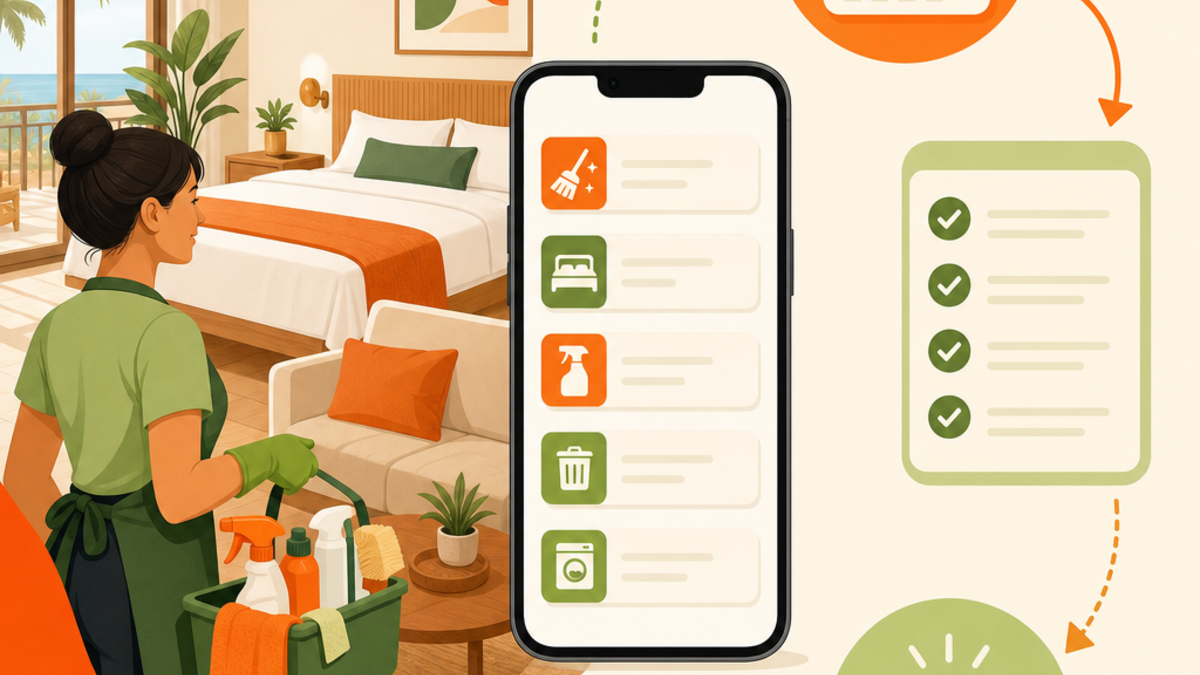
Short-term rental burnout is almost never caused by guests. It is caused by owners doing manually what software has handled reliably for years. The operators who hold listings for a decade run a deliberately minimal stack: one smart lock standard, one property management system, one pricing engine, and a cleaner who is paid to report — not just clean.
Layer 1: Access
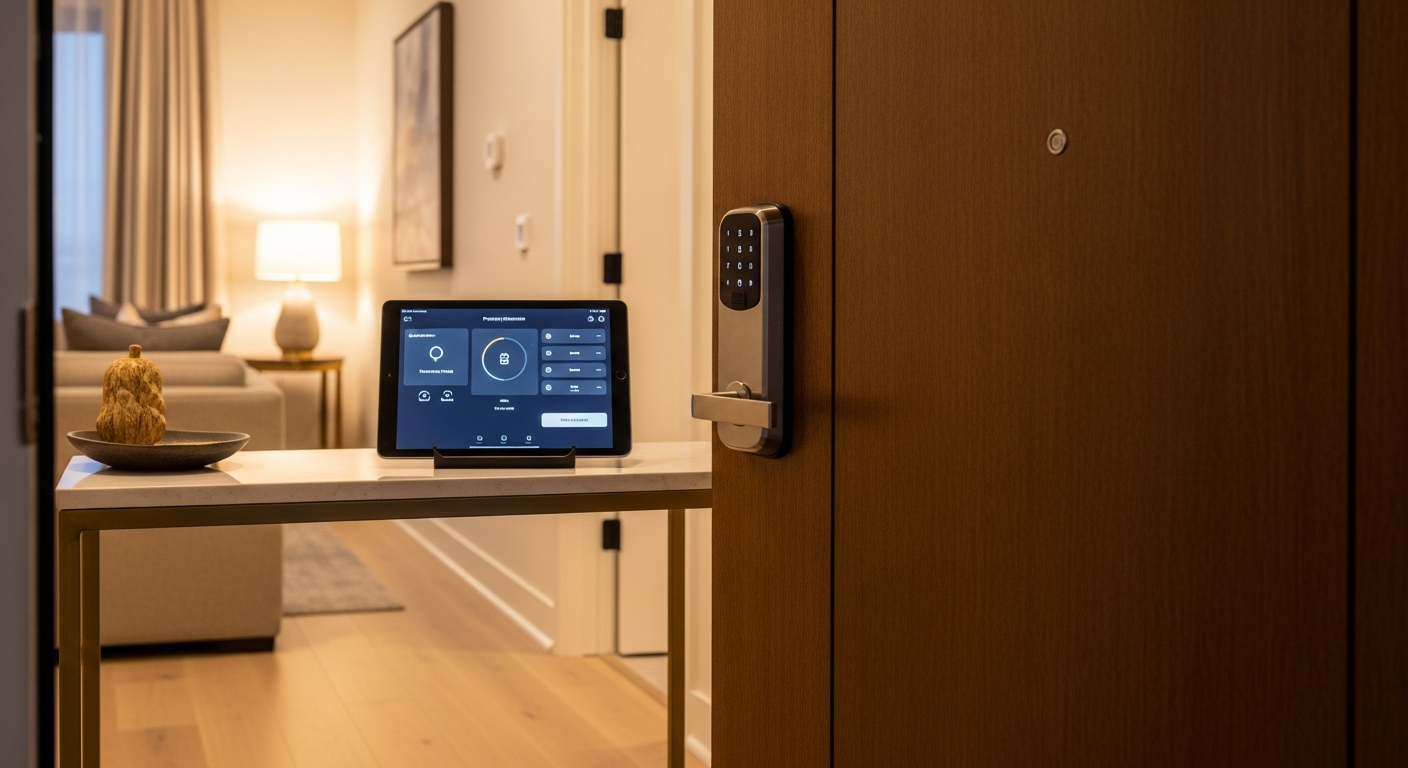
Pick one lock ecosystem and standardize every property on it. Code rotation tied to reservations removes the single most common failure point in self-check-in. If your lock cannot generate time-boxed codes automatically from your PMS, it is a consumer gadget, not an operations tool.
Layer 2: The Message Graph
Map every message you sent last month. You will find that roughly 85% fall into eight templates: booking confirmation, check-in instructions, mid-stay check, early checkout offer, checkout instructions, review request, review response, and incident acknowledgment. Automate all eight, and route only the exceptions to your phone.
Layer 3: Pricing You Do Not Touch
Dynamic pricing tools consistently outperform manual pricing by 10–20% on revenue per available night, mostly by capturing weekday and shoulder-season demand you would never price by hand. Set your floor at your compliance-inclusive break-even — permits, occupancy tax, insurance — and let the ceiling float.
Compliance Is a Calendar, Not a Crisis
Registration renewals, tax filings, and safety inspections all have known dates. Put them in the same calendar your cleaner uses. The hosts who get delisted are rarely the negligent ones; they are the ones who treated compliance as a one-time setup instead of a recurring loop.